
Major Incident Response ApplicationAs used by Nuclear Industry Sites for Remote Monitoring, Emergency Controlling & Resilience Planning
MIRA is a software application product, that was specifically designed and developed in-house, by Nautilus for use within the Civil Nuclear Decommissioning sector. MIRA is used by Nuclear Industry sites, licensed by the NDA, who are responsible for the safe and secure clean-up of 12 nuclear sites and operation of one hydro-electric plant. MIRA enables the continuous monitoring of Bradwell & Sizewell through the MIRA application. In the event of an emergency or major incident MIRA is used to monitor and digitally record all of the events and security responses within the application.
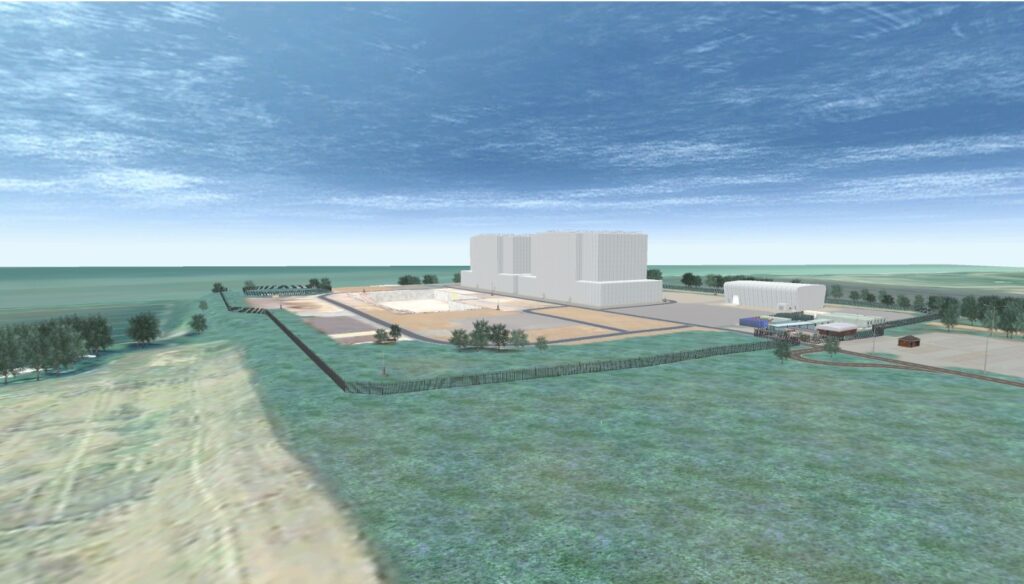
Nuclear Industry Site at Bradwell was the first Nuclear site to go through accelerated decommissioning and put into Care & Maintenance. C&M is one of the lifetime phases of a Nuclear Licensed Site. During C&M Nuclear Licensed Sites are managed remotely by a specialised security team. The sites are monitored continuously, with planned maintenance and inspection activities undertaken. The Next Generation Internet of Things however should accelerate how Nuclear Licensed Sites, going through Decommissioning, can safely, autonomously and remotely monitor Nuclear Licensed Sites.
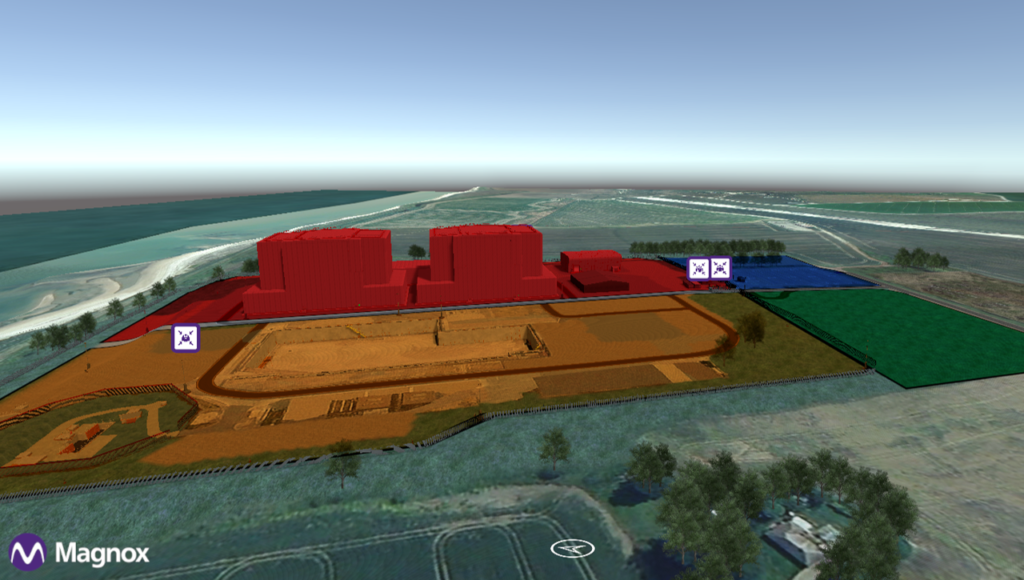
Bradwell as viewed within MIRA during early phases of development. Areas are colour coded for quick & easy identification of safe areas. Bradwell was one of two Nuclear Industry sites selected for accelerated decommissioning. Bradwell is the first UK nuclear site to reach the status of being held within care and maintenance (C&M).
Major Incident Response ApplicationCommercial MIRA-C compliance software for Martyn's Law (Terrorism (Protection of Premises) Act 2025)
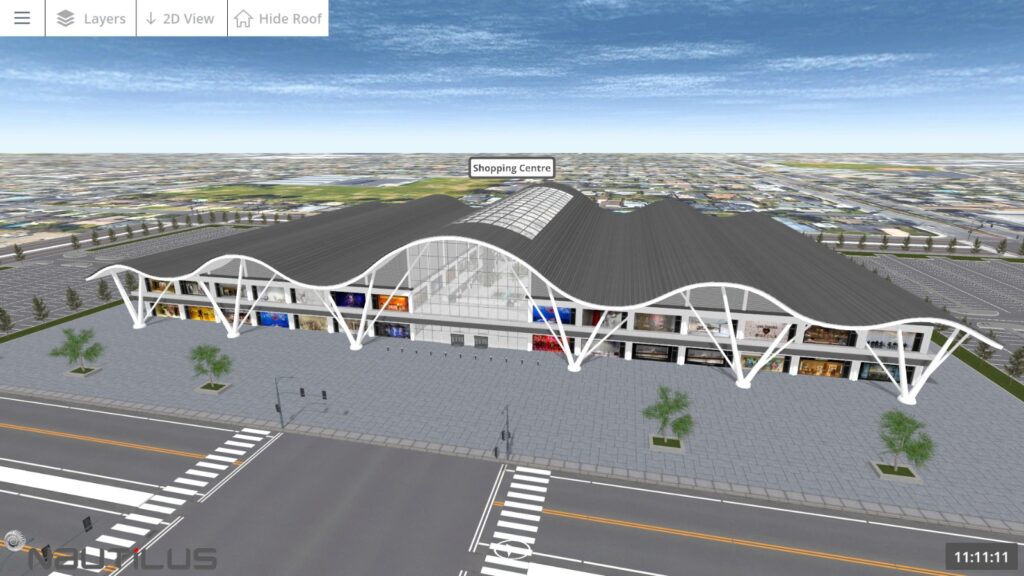
Nautilus has a secondary product based on MIRA, that enables commercial entities to use similar functionality embedded within MIRA for the Nuclear sector. MIRA-C will enable advanced counter-terrorism training and event management security for all responsible persons under Martyn’s Law (the Terrorism (Protection of Premises) Act 2025). MIRA-C is designed to help organisations meet both the standard tier and enhanced tier public protection procedures and measures required by Martyn’s Law, including site monitoring, incident planning, and the documentation duty holders must provide to the Security Industry Authority (SIA). We are demonstrating MIRA-C now to early adopters of this technology and also working on a MIRA-VR (Virtual Reality) that will enable immersive classroom-based training for site and event management security ahead of the Act coming into force.
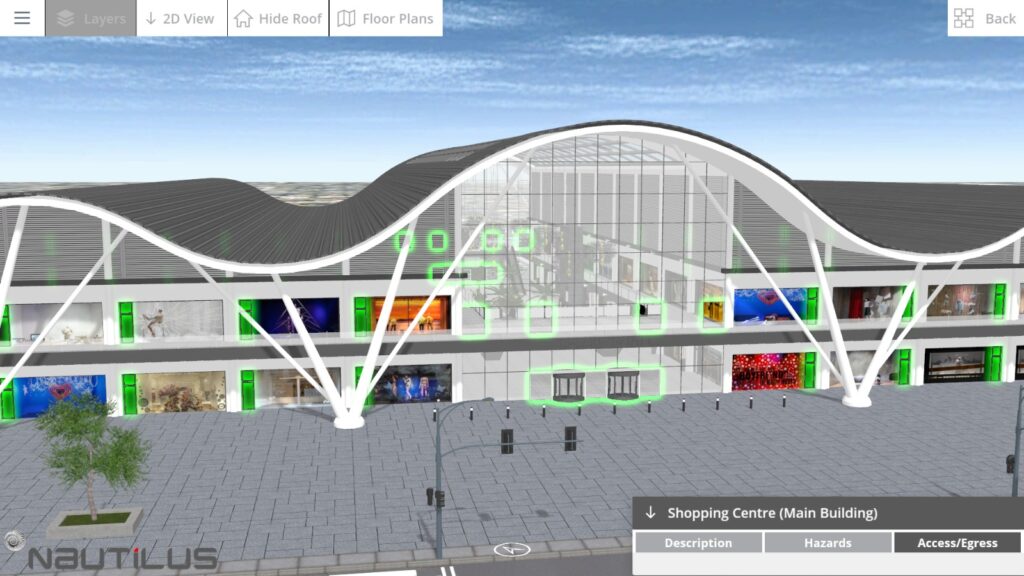
MIRA-C enables site & event staff, including multi-agency emergency responders, to collaboratively plan, view all entry and egress points, view where fire safety & emergency first aide equipment is located, within an intuitive touchscreen interface. Building descriptions and hazards can be added to provide additional knowledge to emergency first responders. Live CCTV and other sensors can be connected to the MIRA-C application for real world, over the horizon, remote monitoring and situational awareness during collaborative training events or indeed controlling major incidents.
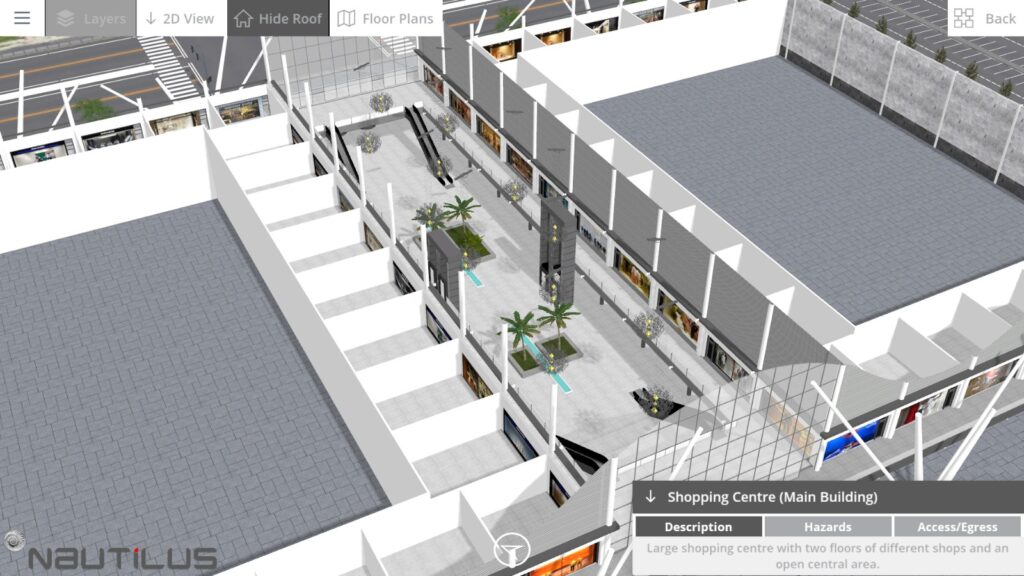
MIRA-C has the functionality to visualise floor plans of the entire building and are embedded within the application. Floor plans can be viewed using a touchscreen sliding scale, from within MIRA-C.

Major Incident Response App - Virtual Reality
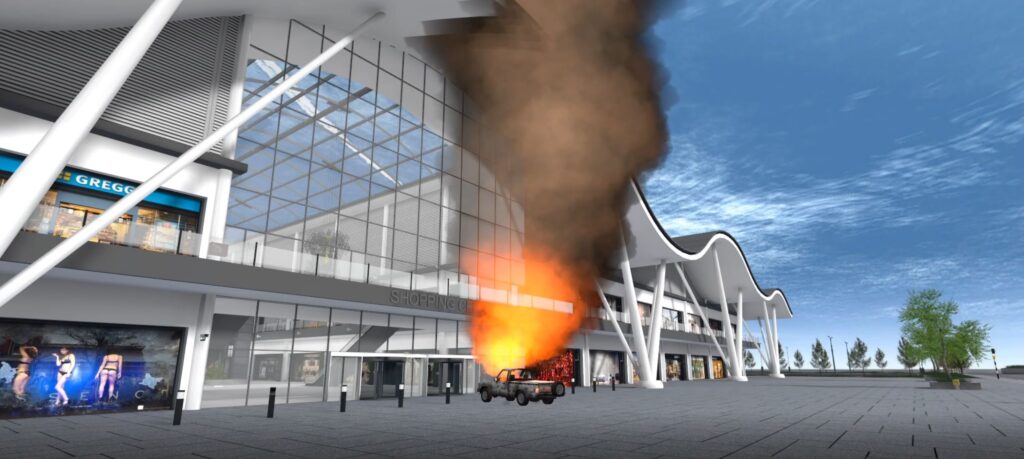
MIRA-VR enables the workforce & employees with responsibilities under Martyn’s Law, such as Emergency Responders, Security controllers and management staff, to experience a Major Incident taking place at their virtual place of work using Virtual Reality head mounted displays. Designated Martyn’s Law responsible employees can practise and rehearse what to do in a safe & virtual reality environment. We are demonstrating this capability to early adopters of next generation MIRA-C & MIRA-VR applications. If your organisation is interested in this technology please contact us through the website.
Martyn’s Law FAQs: Preparing Your Venue or Event with MIRA-C
What is Martyn’s Law?
Martyn’s Law is the popular name for the Terrorism (Protection of Premises) Act 2025, UK legislation that received Royal Assent on 3 April 2025. It requires those responsible for certain publicly accessible premises and events to put in place public protection procedures, and in some cases public protection measures, to improve preparedness and reduce vulnerability to a terrorist attack. It is named in memory of Martyn Hett, one of the 22 people killed in the 2017 Manchester Arena attack.
Who has to comply with Martyn’s Law?
Martyn’s Law applies to the “responsible person” for qualifying premises and qualifying events across England, Wales, Scotland and Northern Ireland where it is reasonable to expect 200 or more individuals may be present. This includes venues such as retail sites, hospitality, entertainment, sports grounds, visitor attractions, places of worship, and larger public events.
What is the difference between standard tier and enhanced tier?
Standard tier applies to premises and events expecting between 200 and 799 individuals, and requires low-cost public protection procedures such as evacuation, invacuation, lockdown and communication plans, along with notifying the Security Industry Authority (SIA). Enhanced tier applies where 800 or more individuals may be present, and adds a requirement for public protection measures to reduce vulnerability, plus documentation of those procedures and measures for the SIA.
Who enforces Martyn’s Law?
The Security Industry Authority (SIA) has been given a new regulatory function to support, advise, and where necessary enforce compliance with Martyn’s Law, including compliance notices, monetary penalties and restriction notices for serious or persistent non-compliance.
When does Martyn’s Law come into force?
The Act allows for an implementation period of at least 24 months from Royal Assent so that the SIA’s regulatory function can be established and responsible persons have time to prepare, meaning organisations are encouraged to start their planning and risk assessment now rather than waiting for enforcement to begin.
How does MIRA-C help with Martyn’s Law compliance?
MIRA-C, developed by Nautilus International, is a major incident response and site security application that helps responsible persons plan for and respond to a terrorist attack or major incident. MIRA-C supports Martyn’s Law preparedness by providing site monitoring, digital floor plans with entry, egress and hazard information, live CCTV and sensor integration, and a real-time record of events and security responses, helping organisations document their public protection procedures and measures for standard and enhanced tier premises and events.
Do I need to hire a consultant to comply with Martyn’s Law?
No. Government guidance is clear that organisations do not need to pay for consultants to be compliant, and can carry out their own risk assessment using the statutory guidance published by the Home Office. Tools such as MIRA-C are designed to support your own team’s planning, training and response rather than replace your own risk assessment.